
You keep meaning to make an appointment. Then you think about the chair, the sounds, or the possibility of bad news, and you put it off again. After a while, even telling someone how long it has been feels uncomfortable.
If you haven’t been to the dentist in years, you can start with a conversation, an exam, and a plan. Dental anxiety, fear of pain, cost, and embarrassment can all make that first call difficult. Knowing what happens next can help you ask for the support you need.
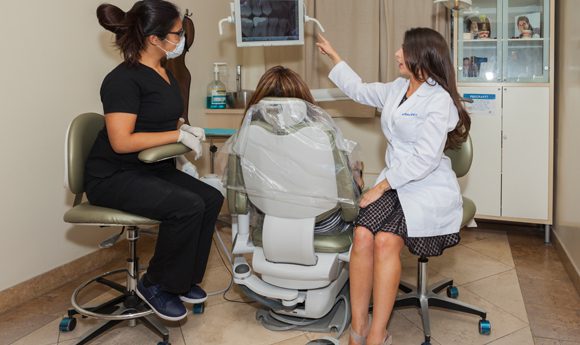
You Don’t Need to Apologize for the Gap
Maybe you lost your insurance. Maybe a painful experience made you avoid dental appointments. Or life got busy, and a few missed visits turned into several years.
You can explain that in a sentence. You don’t owe anyone a long apology.
A dentist needs to understand your history to plan your care. You deserve respectful answers, including when you ask basic questions or admit that you feel nervous. If embarrassment worries you most, say so. That gives the team a chance to address it before the exam begins.
Mention Dental Anxiety Before Your Appointment
Tell the receptionist about your fear of the dentist when you book. You could say, “I haven’t had a dental appointment in several years, and I’m anxious about coming back. How do you help nervous patients?”
Be specific if you can. Needles, gagging, unfamiliar equipment, and feeling unable to stop can create different concerns. Explain what bothered you during previous visits. If a busy waiting room adds to your anxiety, ask which appointment times tend to feel quieter.
The American Dental Association’s guidance on dental anxiety recommends speaking up and agreeing on a signal, such as raising your hand when you need a break. Ask the dentist to explain each step before starting. Headphones or slow breathing may also help you feel more comfortable.
Ask how much time to allow and whether the appointment includes an exam, cleaning, or both. If you want to begin with a consultation because of your anxiety, ask whether the practice can arrange that. Clarifying those details gives you a better idea of what to expect when you arrive.
A Little Preparation Helps
Before your appointment, write down your medications, allergies, medical conditions, and any symptoms you have noticed. Include bleeding gums, sensitivity, jaw discomfort, or a tooth that hurts when you chew.
Bring your insurance information, if you have coverage. Ask your previous dental office to forward any available records and images. Don’t worry if you can’t remember the exact date of your last visit; an approximate year gives the dentist a starting point.
Hollywood Dentist’s information about your first dental visit explains what to bring and what the appointment usually includes.
Brush gently as usual. Scrubbing harder won’t make up for missed appointments, and a dental professional needs to remove hardened tartar.
What Happens During the Dental Exam
Your dentist will ask about your health, previous dental treatment, and current concerns. Mention anything that affects eating, sleeping, or opening your mouth comfortably, even if it seems unrelated to your teeth.
Next, the dentist examines your teeth and existing dental work, looking for problems such as decay or cracks. The exam also includes checking the soft tissues of your mouth for unusual changes.
Don’t assume that no pain means no problems. The American Dental Association explains that dental conditions can develop without noticeable symptoms.
The dentist or hygienist will also assess your gums. They may use a small measuring tool to check the spaces between your teeth and gums. You might hear numbers as they record those measurements. Ask what the findings mean for you rather than trying to interpret each number yourself.
Your dentist may recommend dental images to check areas that an ordinary visual exam cannot show, including between teeth and around the supporting bone. The ADA’s guidance on dental imaging says the decision should reflect your history, current examination, and individual needs. A long gap alone doesn’t dictate the same imaging plan for everyone.
Will You Get a Cleaning at the First Visit?
Possibly. The office may include a cleaning in your first appointment, but your gum health and the time available will affect that decision.
During a routine professional dental cleaning, the hygienist removes plaque and tartar. If your gums feel tender, tell them before they begin so you can discuss comfort measures.
If the examination shows periodontitis, a more advanced form of gum disease, your dentist may recommend scaling and root planing. This treatment removes plaque and tartar from below the gumline and smooths the tooth roots. It may require separate appointments.
You don’t automatically need a deep cleaning because you skipped several years. The recommendation should follow the findings. The National Institute of Dental and Craniofacial Research explains that gum treatment depends on the extent of the disease.
What If You Have a Fear of Dental Pain?
Ask how the dentist will manage discomfort before any treatment starts.
Local anesthesia numbs a specific area of your mouth. If you feel pain during treatment, use your agreed signal and tell the dentist. You don’t need to stay quiet to seem brave.
For stronger dental anxiety, ask about sedation dentistry. Sedation can help you relax, while local anesthesia controls pain in the treatment area. Your dentist will consider your medical history, medications, and planned procedure before recommending an approach.
The ADA explains these different roles. Discuss sedation beforehand so the office can explain preparation and whether you need someone to drive you home. Don’t assume every sedation option puts you to sleep.
Ask for a Plan You Can Understand
Finding a problem doesn’t mean you must complete every recommended procedure that day. Ask your dentist which concerns need prompt attention, which can wait, and what could happen if you delay.
Request a written treatment plan with estimated costs. If the explanation feels rushed, ask the dentist to show you the relevant image or point out the area they mean.
You can also review the practice’s payment and insurance information before making decisions. Confirm your benefits with your insurer and discuss your expected share with the office.
Before leaving, ask how to care for your teeth at home and when to return. Your dentist should recommend a schedule that suits your needs rather than assuming everyone needs identical intervals.
When You Shouldn’t Wait
If you have severe tooth pain, facial swelling, or a fever with dental symptoms, contact a dentist promptly. Swelling that makes breathing or swallowing difficult requires immediate emergency medical care. The NHS guidance on dental abscesses explains these warning signs.
Start With One Appointment
I’d encourage you to tell the dentist what would make the visit easier, even if the request seems small. An explanation before an instrument enters your mouth or a brief pause can matter when you feel anxious.
You don’t need to solve every dental concern before you call. If you haven’t been to the dentist in years, contact Dr. Sally Kashani’s office to arrange a visit and mention your concerns. Start by finding out where things stand, then decide on the next step together.